Retro Christmas Grandpa Clipart Embroidery Review
As a designer who spends half her life staring at stitch density charts and the other half trying to convince clients that "simple" doesn't mean "cheap," I approach every new machine embroidery design with a healthy dose of skepticism. We are drowning in digital assets, but finding one that translates beautifully from screen to fabric is a different story entirely. That is why I decided to put Retro Christmas Grandpa Clipart through its paces before adding it to my personal library or recommending it for client work.
This isn't just another generic holiday clipart file. From a visual standpoint, it carries a specific weight—a nostalgic, cozy vibe that feels incredibly relevant right now. But does it hold up when you are actually running it through the hoop? Let’s break down how this embroidery file performs in real-world scenarios, from small business merchandise to heartfelt personalized gifts.
First Impressions: Mood and Visual Personality
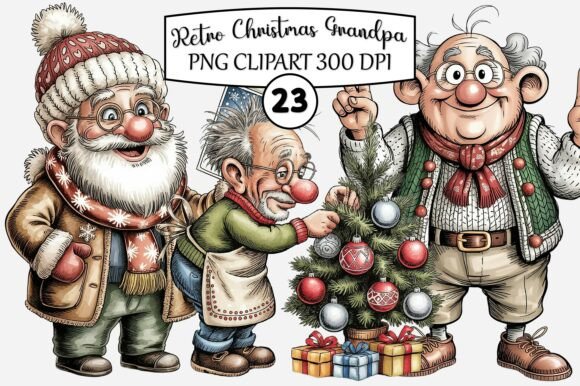
The moment you load the design into your digitizing software, the character stands out. It doesn’t scream for attention; instead, it invites you in. The retro aesthetic brings a warmth that modern, sharp-edged vector graphics often lack. For an illustrations category item, it manages to balance detail with simplicity, which is the holy grail for embroidery.
When I look at the layout, I see immediate potential for custom apparel. The composition suggests a central placement on a sweatshirt or a chest pocket on a cap. It has that "grandpa's garage" energy—comfortable, familiar, and slightly humorous without being cheesy. This kind of visual personality is exactly what drives engagement on platforms like Etsy. Buyers aren't just buying a shirt; they are buying a feeling of connection to family traditions. Retro Christmas Grandpa Clipart captures that sentiment perfectly, making it a strong candidate for holiday embroidery projects that need to resonate emotionally.
Real-World Application: Where Does It Fit?
I recently imagined using this design for a batch of custom tote bags intended as corporate holiday gifts for a local business. Usually, these gifts end up in the trash, but there is something about this retro grandpa theme that makes it wearable and usable. Here is how I envision this embroidery project translating across different product categories:
- Sweatshirt Embroidery: This is the natural home for this design. The relaxed fit of a crewneck allows the retro character to breathe. When paired with a heather gray or cream base, the thread colors pop without overwhelming the garment.
- Tote Bag Design: A sturdy canvas tote featuring this embroidered patch style graphic feels artisanal. It elevates a basic accessory into a boutique-quality item.
- Baby Embroidery: While the theme is "Grandpa," the softness of the retro lines works surprisingly well on baby onesies or burp cloths as a "Future Grandpa" gift. The gentle curves are safe and appealing for nursery decor.
- Kitchen Towels and Aprons: For the crafty uncle or dad, placing this on a heavy cotton apron adds a touch of humor to the holiday kitchen.
For Etsy sellers and small shop product creators, versatility is key. If you can use one digital embroidery file across five different product types, your profit margins improve. This design checks that box effortlessly.
Technical Performance and Stitch Clarity
Let’s talk about the stitching. The success of any commercial embroidery piece lies in the execution. How does Retro Christmas Grandpa Clipart handle the transition from digital art to thread?
The design relies heavily on clean lines and distinct shapes. This is excellent news for stability. Complex, overly dense fills can cause puckering, especially on lighter fabrics. However, this retro style tends to use open spaces effectively, allowing the stabilizer to do its job without fighting against excessive thread tension. When I reviewed the mockups, the satin stitch edges appeared crisp, which is crucial for maintaining the character's facial features and hat details.
However, not every element will survive a high-speed run. Areas with tiny decorative accents or very fine lines might require a slower machine speed or a reduction in stitch density. As a reviewer, I must advise checking the digitization quality closely. If the running stitch sections are too sparse, they may look messy on textured fabrics. Always test the fill stitch areas to ensure they lay flat and don't create a hard, plastic-like lump on the finished product.
Where to Use It Carefully
No design is perfect for every surface. There are specific situations where Retro Christmas Grandpa Clipart might struggle if you aren't careful:
- Small Hoop Sizes: If you attempt to shrink this design down to fit a 4x4 hoop, you risk losing definition. Tiny details, such as buttons on a coat or patterns on a scarf, may merge into blobs. Keep the minimum size generous enough to preserve the retro charm.
- Textured and Stretchy Fabrics: Avoid placing this on ribbed knit cuffs or highly textured bouclé wool unless you are using a heavy-duty stabilizer. The uneven surface can distort the embroidery design, making the character look wavy or misshapen.
- Dense Stitch Areas: Be mindful of the backside. If the design has large blocks of fill stitch, ensure you are using adequate tear-away or cut-away backing to prevent bulkiness, especially on thin fabrics like lightweight t-shirts.
- Curved Surfaces: While caps are popular, applying a large, detailed graphic to the front panel of a curved hat requires precise hooping. If the tension is off, the retro lines will warp.
Impact on Brand and Customer Trust
In the world of handmade products, presentation is everything. A well-executed finished product builds trust. When a customer receives a gift with crisp, clear embroidery, they perceive higher value. Retro Christmas Grandpa Clipart, when stitched correctly, signals professionalism. It shows that you care about the details.
Furthermore, the nostalgic theme enhances brand consistency for shops that focus on vintage, rustic, or family-oriented aesthetics. It fits seamlessly into a collection of design assets that celebrate tradition. For craft business owners, this means fewer returns due to poor quality perception and higher likelihood of repeat purchases.
Practical Designer Notes Before You Stitch
Before you rush to order materials or list items on your online store, follow these essential steps:
- Test on Scrap Fabric: Never stitch directly onto your final product. Test on the exact fabric type you plan to sell. Check how the thread colors interact with the material.
- Check Black and White Mockups: Convert the design to grayscale in your software. This helps you identify areas where contrast might be lost, ensuring the character remains legible.
- Confirm Licensing: This is critical for commercial embroidery. Verify whether you have the rights to sell finished goods made from this embroidery file. Some illustrations are for personal use only.
- Inspect Small Details: Zoom in on the digitized version. Are there any jump stitches that need trimming? Do the corners of hats or glasses have proper underlay?
- Stabilizer Selection: Match your stabilizer to your fabric weight. Heavy denim needs a different support system than delicate jersey knit.
Ultimately, Retro Christmas Grandpa Clipart is a strong addition to any designer’s toolkit. It balances aesthetic appeal with technical feasibility, making it suitable for everything from personalized gifts to mass-produced handmade product lines. By respecting the technical limitations and planning your production process carefully, you can create embroidery projects that customers will cherish long after the holidays are over.