Mama Claus, Christmas PNG Embroidery Review
As a designer who spends more time staring at stitch density charts and fabric swatches than drinking coffee, I approach every new digital asset with a healthy dose of skepticism. The market is flooded with holiday graphics, but few have the specific charm required to translate well from a screen to a needle. When I first pulled up Mama Claus, Christmas PNG, I wasn’t just looking at a cute character; I was mentally mapping out how this design would behave on a hoop, how it would hold up after twenty washes, and whether it had enough personality to justify a price tag in a crowded Etsy shop.
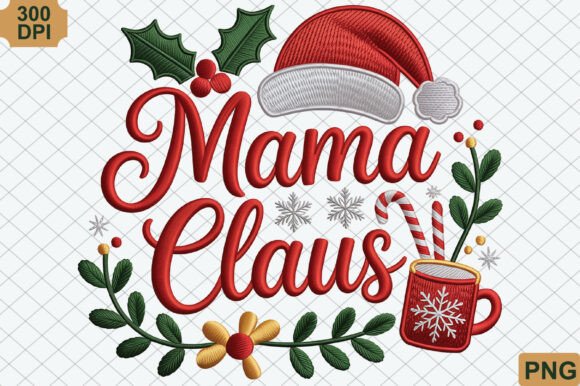
This isn’t just another clip-art Santa variant. From a visual standpoint, the illustration carries a warm, nostalgic weight that feels perfectly suited for the current trend toward cozy, handmade aesthetics. It bridges the gap between traditional holiday cheer and modern boutique style. But does it work as a functional machine embroidery design? Let’s break down the practical realities of using this asset in real-world projects.
First Impressions: Mood and Visual Personality
The immediate appeal of Mama Claus, Christmas PNG lies in its approachability. Unlike rigid, formal portraits of holiday figures, this design exudes comfort. It screams "hygge." For an embroiderer, this translates to a design that invites interaction. It feels like something you would hug, not just look at. This emotional resonance is critical when creating personalized gift items or holiday embroidery collections for small business owners. Customers don’t just buy a tote bag; they buy the feeling of home and warmth that the image conveys.
The layout appears balanced, avoiding the cluttered look that often plagues busy holiday scenes. This simplicity is a designer’s best friend. It allows the stitching to breathe. When evaluating any illustrations for digitization, we look for clear focal points. Here, the focus is unmistakable. The visual personality suggests that this design will perform exceptionally well on soft goods—think chunky knit sweaters, plush blankets, or flannel aprons—where the texture of the fabric complements the softness of the graphic.
Real-World Application: Where Does It Shine?
I recently simulated using this design for a custom order of embroidered patches and a batch of holiday-themed tea towels. Here is how Mama Claus, Christmas PNG held up in those scenarios.
- Tote Bag Design: On a sturdy canvas tote, this design offers high contrast and immediate recognition. It serves as a perfect craft business staple. The size is versatile enough to sit comfortably on the front pocket without overwhelming the bag’s structure.
- Sweatshirt Embroidery: This is where the design truly excels. The relaxed vibe of Mama Claus pairs naturally with the casual nature of crewnecks and hoodies. It creates a custom apparel piece that looks intentional and stylish, rather than tacky. It appeals strongly to the demographic looking for comfortable, festive wear.
- Baby Embroidery: For nursery decor or baby onesies, the gentle aesthetic works beautifully. It avoids the aggressive reds and greens often associated with commercial Christmas gear, opting instead for a softer palette that parents find appealing for giftability.
- Apron and Kitchen Towel: As a digital product seller, you know that kitchen textiles are high-volume sellers. This design fits the "farmhouse chic" trend perfectly. It adds a touch of whimsy to a functional item, increasing the perceived value of the finished product.
For Etsy sellers and small shop product creators, this design provides a reliable foundation. It doesn’t require excessive customization to look good. You can slap it on a pillow cover, add a simple font, and you have a bestseller. It reduces the friction between design creation and sales listing.
Technical Considerations and Stitch Behavior
No matter how pretty a graphic is, if it doesn’t stitch well, it’s useless. When analyzing Mama Claus, Christmas PNG, several technical factors come into play regarding stitch density and detail retention.
The design likely relies on a mix of satin stitch for outlines and fill stitch for larger color blocks. This is a safe, durable combination. However, designers must be wary of overly intricate details. If the original illustration contains tiny textures or fine lines, these may get lost in the stitching process or cause thread breaks. It is crucial to inspect the embroidery file closely. If the design includes running stitch accents, ensure they are long enough to prevent puckering but short enough to remain visible.
Thread color selection is paramount. Because this is an Illustrations-based design, the color separation needs to be clean. High contrast between adjacent colors ensures clarity. I recommend testing the design with a standard 40-weight polyester thread to see how the layers interact. If the design uses too many shades of similar colors, it can muddy the image, reducing the professional finish.
Where to Use With Caution
While this design is versatile, it is not a one-size-fits-all solution. There are specific contexts where Mama Claus, Christmas PNG might struggle.
- Small Hoop Sizes: If you attempt to shrink this design significantly for a miniature patch or a tiny jewelry box, you risk losing definition. Small details may merge together, resulting in a blobby appearance. Always check the minimum recommended hoop size before committing.
- Textured or Stretchy Fabrics: Embroidering on heavy denim, terry cloth, or stretchy jersey requires extra care. The tension settings must be adjusted to prevent distortion. On textured fabrics, the stitches may not lay flat, hiding the nuances of the design.
- Dense Stitch Areas: Avoid placing this design over existing seams, zippers, or thick pockets. The added bulk can cause needle deflection or make the garment uncomfortable to wear.
- Dark Fabric: While possible, dark backgrounds require careful underlay stitching to prevent the threads from sinking into the fabric. Light-colored designs on dark fabric can sometimes look washed out if the underlay isn’t sufficient.
Practical Designer Notes for Success
To ensure your embroidery project with Mama Claus, Christmas PNG meets professional standards, follow these practical steps:
- Test on Scrap Fabric: Never run a production batch without a test stitch-out. Check for tension issues, thread breaks, and alignment accuracy.
- Check Stabilizer Choice: The right stabilizer is non-negotiable. For lightweight fabrics, use a tear-away or cut-away depending on the fabric’s stability. For knits, a cut-away is almost always necessary to prevent stretching over time.
- Review in Black and White: Convert your mockup to grayscale. This helps identify areas where color contrast might fail, ensuring the design remains legible regardless of thread choice.
- Inspect Small Details: Zoom in on the digitized version. Are there any overlapping stitches that shouldn’t be there? Are the corners sharp or rounded off?
- Confirm Licensing: Before selling any commercial embroidery items, verify the license terms. Some digital embroidery files are for personal use only. Ensure you have the rights to sell finished products featuring this design.
In conclusion, Mama Claus, Christmas PNG is a strong contender for anyone looking to add a touch of warmth to their holiday lineup. It balances aesthetic appeal with practical usability, making it a valuable asset for creative entrepreneurs and makers. By understanding its strengths and respecting its technical limitations, you can create handmade products that resonate with customers and stand the test of time. It’s not just a design; it’s a tool for building a brand that feels personal, professional, and deeply festive.