Crafty Christmas Tree Clipart: A Designer’s Embroidery Review
As a designer who spends more time than I care to admit staring at stitch lines and debating thread colors, I approach every new machine embroidery design with a healthy dose of skepticism. The digital world is flooded with clip art that looks charming on a screen but falls apart when translated into thread. Today, I am putting Crafty Christmas Tree Clipart through the wringer. This isn’t just about whether it looks pretty; it is about whether it holds up in a real-world embroidery project, survives the wash cycle, and adds enough value to justify its place in your craft business or personal holiday collection.
First Impressions: Mood and Visual Personality
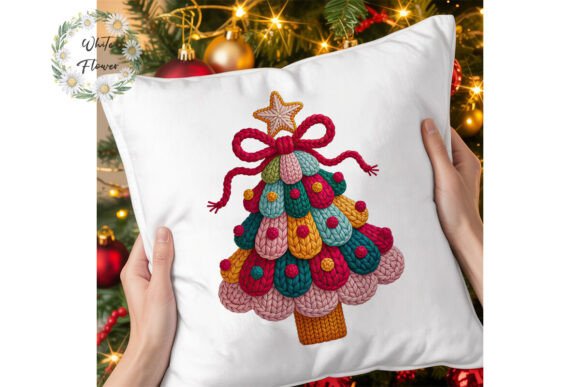
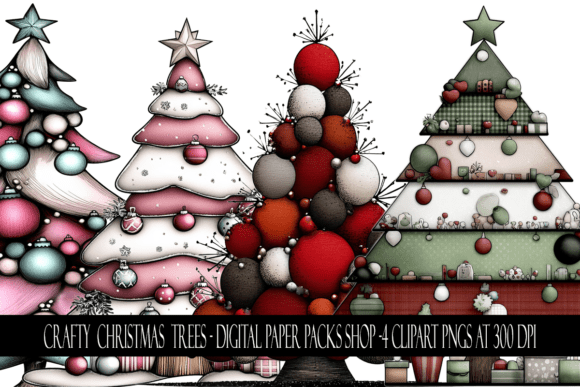
The moment you open the file for Crafty Christmas Tree Clipart, the intent is clear. It does not try to be a hyper-realistic botanical study or a rigid geometric pattern. Instead, it leans into a whimsical, hand-drawn aesthetic that screams "cozy." The visual personality is warm and inviting, making it an excellent candidate for holiday embroidery projects where sentimentality matters as much as technique.
From a layout perspective, the design feels balanced. It has a natural center of gravity, which is crucial when you are planning placement on a garment or accessory. The lines are clean, suggesting that the underlying vector work was done with precision. For those of us who create personalized gifts, this kind of clarity is non-negotiable. You want the customer to see the tree and immediately feel the festive spirit, not squint to figure out what the shapes are supposed to represent. The mood is undeniably cheerful, fitting perfectly into the current trend of rustic-chic home decor and boutique apparel.
Real-World Application: Where Does It Shine?
Let’s talk about practical use. I recently imagined using this design for a custom order—a set of embroidered aprons for a client hosting a holiday baking competition. Here is how Crafty Christmas Tree Clipart performed in that mental simulation, and likely in physical reality.
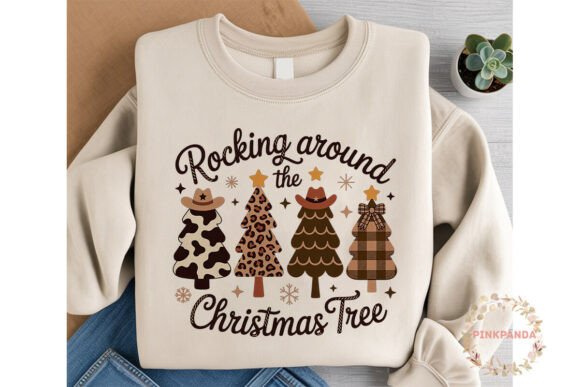
- Tote Bag Design: This is perhaps the strongest use case. When stitched onto a sturdy canvas tote, the design stands out beautifully. The contrast between the thick fabric and the stitch density allows the details to pop without looking cluttered. It creates an instant handmade product vibe that sells well on platforms like Etsy.
- Sweatshirt Embroidery: For cozy, oversized hoodies, this clipart works wonderfully as a chest pocket accent or a centered back print. The playful nature of the tree complements the casual fabric texture, creating a look that is both stylish and comfortable.
- Baby Embroidery: I also considered this for a baby onesie or a nursery wall hanging. The soft curves and lack of overly aggressive angles make it safe and visually gentle for baby items. It fits seamlessly into a pastel or neutral color palette often chosen for newborn gifts.
- Embroidered Patch: If you are selling accessories, turning this into a detachable patch is a smart move. The distinct outline makes it easy to apply a blanket stitch border, giving it a polished, professional finish that customers love to attach to denim jackets or beanies.
In these scenarios, the design enhances the finished product rather than overpowering it. It respects the medium of embroidery, acknowledging that thread behaves differently than ink.
Technical Considerations and Stitch Clarity
Not all designs are created equal, and Crafty Christmas Tree Clipart has specific areas where a designer needs to pay attention. While the overall shape is strong, the fine details require careful execution.
When evaluating any digital embroidery file, I always check the stitch density. If the fill stitches are too dense, the fabric will pucker, ruining the drape of a custom apparel item. Conversely, if they are too sparse, the backing shows through, making the design look cheap. This particular design seems to strike a reasonable balance, but testing is key. I recommend running a test on the actual fabric you intend to use. If you are working with a lightweight linen or a stretchy jersey knit, you may need to adjust the stabilizer choice to prevent distortion.
Another critical factor is the satin stitch quality on the outlines. If the tree has thin, delicate branches, ensure that the digitizer has used adequate underlay stitches to keep them stable. Thin satin stitches can break or fray over time, especially on items that undergo frequent washing. For a commercial embroidery project, durability is part of the brand promise. You do not want a customer returning because their festive tree unraveled after three washes.
Where to Use It Carefully
While this design is versatile, it is not a one-size-fits-all solution. There are specific contexts where Crafty Christmas Tree Clipart might struggle.
- Small Hoop Sizes: If you are trying to squeeze this into a tiny 4x4 hoop or smaller, you risk losing the charm. The details may become muddy, and the proportions might look distorted. Always confirm the hoop size requirements before committing to a small product like a coffee sleeve or a miniature ornament.
- Textured Fabrics: Thick terry cloth or heavy wool can hide the nuances of the design. On such surfaces, the fine lines of the clip art may disappear into the nap of the fabric. Stick to smoother fabrics like cotton twill, felt, or smooth knits for the best results.
- Dense Stitch Areas: Avoid placing this design next to other heavy embroidery elements on the same garment. Too much thread color concentration in one spot can create a stiff, uncomfortable patch on the wearer’s skin.
- Curved Surfaces: While it works on flat panels, applying this to a curved surface like a baseball cap can be tricky unless you have advanced digitizing skills to compensate for the curve. Otherwise, the tree may appear warped.
Impact on Brand and Customer Trust
For Etsy sellers and small shop owners, the presentation of your work is everything. High-quality embroidery signals professionalism. When a customer sees a crisp, well-executed embroidery project, they associate that quality with the reliability of your brand. Crafty Christmas Tree Clipart, when stitched correctly, elevates the perceived value of your items. It transforms a mass-produced blank into a unique, artisanal piece.
This design also aids in brand consistency. Its friendly, approachable style can serve as a recurring motif in your holiday collections, helping customers recognize your products instantly. Whether it appears on a kitchen towel, a pillow cover, or a gift tag, the consistent visual language builds trust and encourages repeat purchases.
Practical Designer Notes for Success
Before you rush to production, here is my checklist for ensuring the best outcome with this design:
- Test on Scrap Fabric: Never skip this step. See how the threads interact with your specific material.
- Check Thread Color Contrast: Ensure your chosen thread colors provide enough contrast against the fabric. Dark trees on dark backgrounds may get lost.
- Review Stitch Density: Zoom in on the digital preview. Are there any areas that look overly crowded? Adjust if necessary.
- Inspect Small Details: Look closely at the tips of the branches and any decorative elements. Are they sharp or blurry?
- Use Proper Stabilizer: Match your stabilizer to your fabric weight. Heavy fabrics need heavy stabilizers; light fabrics need tear-away or cut-away options accordingly.
- Confirm Licensing: If you plan to sell finished items or design assets, double-check the license terms. Commercial rights vary widely, and compliance protects your business.
In conclusion, Crafty Christmas Tree Clipart is a solid addition to any designer’s library. It offers a blend of charm and versatility that works well across a range of embroidery files and product types. By paying attention to the technical details and choosing the right applications, you can create beautiful, durable, and marketable handmade products that stand out in the crowded marketplace. It is a design that understands its audience and delivers exactly what they are looking for during the holiday season.