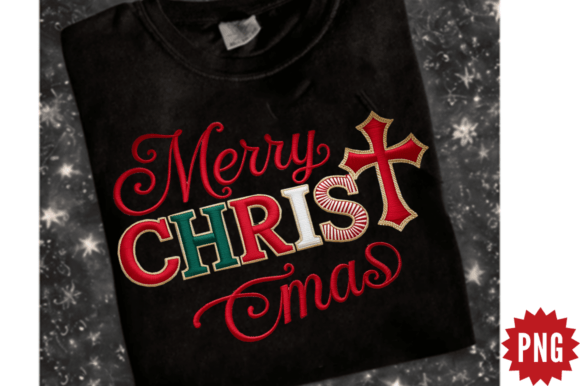
Faux Embroidery Merry Christmas PNG Desi
As a designer who spends more time looking at stitch lines than actual fabric, I have learned to be skeptical of anything labeled "faux." Usually, it means a flat image slapped onto a mockup that looks nothing like the finished product. However, when I pulled up Faux Embroidery Merry Christmas PNG Desi, my first instinct was not skepticism, but curiosity. The name itself suggests a specific aesthetic—a digital representation of a textured, stitched look without the physical labor. For those of us in the craft business, whether we are running a boutique Etsy shop or just making personalized gifts for family, the line between digital convenience and tangible quality is where the real value lies.
This design falls squarely into the Illustrations category, which immediately sets expectations. It is not a complex machine embroidery file with thousands of stitches; it is a visual asset designed to mimic the appearance of embroidery. My goal here is to evaluate how this specific design holds up when you try to translate its visual promise into a real-world handmade product. Does it feel authentic? Is it versatile enough for commercial use? And most importantly, will your customers think it looks expensive?
The First Impression: Mood and Visual Personality
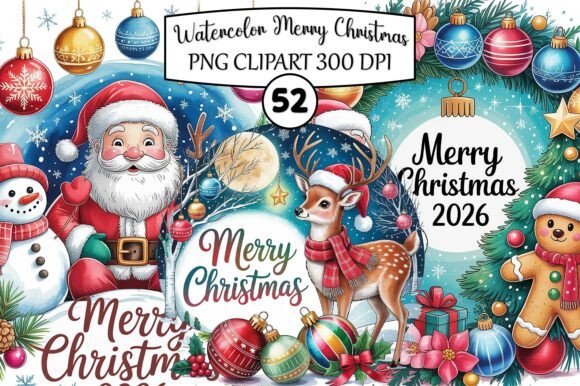
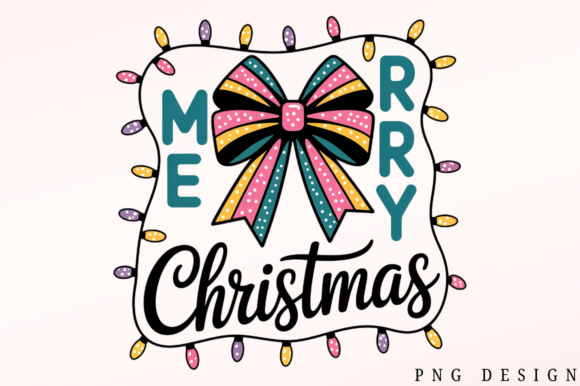
The moment you view Faux Embroidery Merry Christmas PNG Desi, the holiday mood is unmistakable, but it avoids the cliché overload that plagues so many seasonal designs. The composition feels balanced, leaning towards a cozy, rustic charm rather than a flashy, neon-lit spectacle. This is crucial for modern branding. When you are creating custom apparel or boutique branding, you want items that feel timeless enough to sell in December and January, yet festive enough to capture the holiday spirit.
The "Desi" aspect of the title hints at a cultural fusion or a specific artistic flair that breaks away from standard Western-centric Christmas tropes. This gives the design a unique selling point (USP) for niche markets. In terms of layout, the elements seem arranged to allow for flexible placement. Whether you are aiming for a centered chest print on a sweatshirt embroidery project or a smaller accent on a tote bag design, the visual weight feels appropriate. It does not scream for attention; it invites the viewer to look closer, which is exactly what you want in high-end embroidery projects.
Real-World Application: From Screen to Stitch
Let’s talk about practicality. Imagine you are preparing a batch of holiday gifts for clients. You have ordered blank aprons, baby onesies, and heavy cotton tote bags. How does Faux Embroidery Merry Christmas PNG Desi perform in these scenarios?
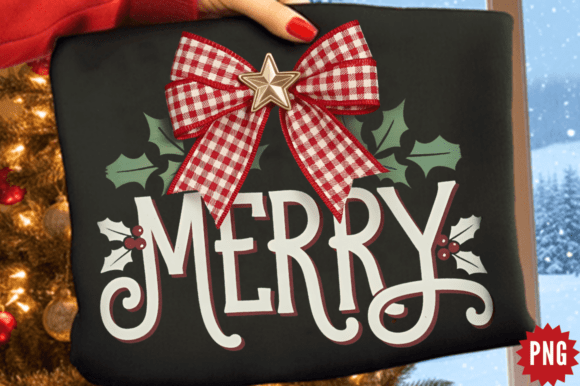
- Apparel and Sweatshirts: On a thick fleece or cotton sweatshirt, this design would shine. The faux texture mimics the raised look of satin stitch or fill stitch, adding depth to soft fabrics. It creates an illusion of premium craftsmanship without the risk of thread breakage or puckering.
- Baby Items: For baby embroidery on onesies or burp cloths, softer, less aggressive designs are preferred. This design appears gentle and whimsical, making it ideal for nursery decor or holiday photo props. It avoids sharp edges or overly dense clusters that might feel uncomfortable against sensitive skin.
- Accessories and Patches: If you are creating embroidered patch style accessories, such as caps or beanies, the clean lines of this illustration work well. It translates easily to sublimation printing or direct-to-garment (DTG) printing, allowing you to offer "embroidery-style" goods without needing a $5,000 multi-head machine.
For the Etsy seller or small shop product creator, this versatility is gold. You can market the same design across multiple categories—kitchen towel prints, pillow covers, and even digital wall art for instant download. The digital embroidery file nature of the source means you can resize it with minimal loss of quality, provided you are using vector-based editing tools before converting it to your final output format.
Where Caution Is Required
No design is perfect, and Faux Embroidery Merry Christmas PNG Desi has its limitations. As a reviewer, I must highlight where this asset might struggle. Because it is a faux representation, it relies heavily on the medium it is printed or applied to.
If you plan to use this on textured fabrics like chunky knits or bouclé, the details may get lost. The contrast needed to make the faux threads pop will be diminished by the uneven surface of the material. Similarly, on stretchy fabric used for athletic wear, the design could distort if not backed with proper stabilizer during any physical application process.
Another area to watch is scale. While the design works beautifully at mid-range sizes, attempting to shrink it down to a tiny logo size on a cap brim might result in muddy details. The intricate parts of the illustration need breathing room. If you are working with tiny lettering or very small decorative accents within the design, test them carefully. On dark fabric, ensure your base layer provides enough opacity so the design doesn’t look washed out. Conversely, on white or light backgrounds, check that the shadow effects in the faux embroidery don’t create a harsh, unnatural outline.
Designer Notes for Execution
To get the best results from Faux Embroidery Merry Christmas PNG Desi, you need to treat it with the same rigor as a native machine embroidery file. Here is my checklist for ensuring professional-grade output:
- Test on Scrap Fabric: Never commit to a full garment without testing. Print the design on your chosen material first. Check how the colors interact with the fabric dye. Sometimes, a color that looks vibrant on screen appears dull on cotton.
- Check Thread Color Contrast: Even though this is a digital or printed faux effect, imagine it as real thread. Are the colors distinct enough to read? High stitch density simulations require clear separation between foreground and background elements.
- Review Stitch Density Visually: Look closely at the areas meant to represent fill stitches. Do they look too crowded or too sparse? Adjusting the spacing in your design software before export can prevent a cluttered look.
- Confirm Hoop Size Equivalency: If you are using this to guide a real embroidery machine (by tracing or digitizing), ensure the final dimensions fit your desired hoop size. A design that is too wide for a 4x4 hoop will require re-digitizing.
- Inspect Small Details: Zoom in. Are there tiny gaps that might tear during washing? If you are creating a finished product intended for frequent laundering, robustness is key. Faux designs printed via sublimation hold up better than heat-transfer vinyls, which can peel over time.
- Black and White Mockups: Convert your mockup to grayscale. This helps you see the true value structure of the design. If the design loses its impact in black and white, it likely lacks sufficient contrast for real-world use.
Final Verdict: Value and Trust
In the world of commercial embroidery and craft business assets, trust is built on consistency. Faux Embroidery Merry Christmas PNG Desi offers a reliable way to deliver high-value aesthetics without the high cost of production. It appeals to the creative entrepreneur who wants to offer personalized gifts that look bespoke but operate on a scalable model.
When a customer receives a holiday gift featuring this design, they perceive effort and care. The faux texture adds a tactile illusion that elevates the perceived value of the item. It bridges the gap between digital speed and handmade soul. However, remember that the success of the final product depends on your execution. Choose the right stabilizer, pick high-quality threads if you are digitizing it, and always prioritize the fabric texture you are working with.
Ultimately, this design is a strong addition to your design assets library. It is not just a clipart; it is a strategic tool for enhancing your brand consistency during the busiest season of the year. Use it wisely, test thoroughly, and let the festive mood of the design do the heavy lifting for your sales.