My First 1st Christmas PNG Review
As a designer who spends more time troubleshooting stitch errors than actually creating new art, I approach every new machine embroidery design with a mix of optimism and skepticism. The holiday season is the busiest time for our craft business, and the pressure to deliver high-quality, personalized gifts is real. That is why I took a close look at the My First 1st Christmas PNG before committing it to my production queue. This isn’t just about how cute the image looks on a screen; it is about whether it translates into a professional, durable, and desirable finished product.
The market is flooded with generic holiday clipart, so finding a design that balances sentimentality with technical viability is key. After reviewing the visual personality and layout of this piece, here is my practical assessment for embroiderers, Etsy sellers, and handmade shop owners.
First Impressions and Visual Mood
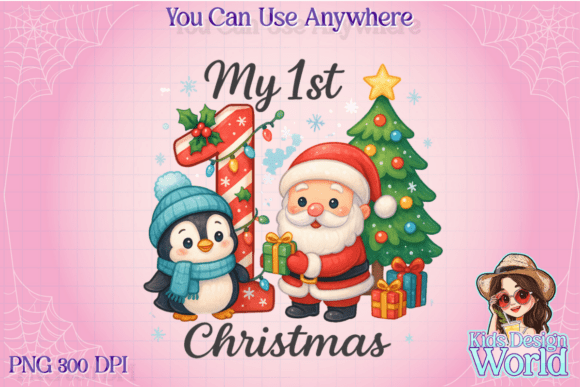
When you first load the embroidery file, the immediate takeaway is its clean, uncluttered aesthetic. The phrase "My First 1st Christmas" carries a heavy emotional weight for parents and grandparents, but it can easily become visually chaotic if the typography and graphics are too busy. This design avoids that trap. It feels warm, nostalgic, and intentionally simple.
The layout suggests a focus on readability and charm rather than complex artistic flair. For an illustrations category entry, it succeeds by being versatile. It doesn’t scream for attention; instead, it invites the viewer in. This subtlety is crucial for custom apparel because it allows the fabric texture and thread quality to shine through. If you are designing for a boutique brand that values minimalism or soft aesthetics, this design fits seamlessly into that narrative. It creates a mood of cozy celebration without feeling tacky or overly commercial.
Real-World Application: Where Does It Shine?
I ran this design through several mental simulations of actual production runs. Here is where I see the highest potential for success:
- Baby Onesies and Rompers: This is the primary use case. The simplicity of the design works perfectly on the small chest area of infant garments. It reads clearly even from a distance, which is important for photos and social media sharing.
- Holiday Tote Bags: A tote bag design often requires bold elements, but this design’s gentle vibe makes it ideal for a gift bag or a baby shower favor. It pairs beautifully with natural canvas fabrics.
- Nursery Decor and Pillows: When transferred to a pillow cover or a quilt square, the design adds a focal point without overwhelming the room’s decor. It serves as a great keepsake item for personalized gift markets.
- Kitchen Towels and Aprons: For the home-focused crafter, this design brings a festive touch to the kitchen. It is appropriate for holiday gatherings and adds a personal touch to hostess gifts.
For Etsy sellers and small shop product creators, these categories represent high-volume search terms. By offering this specific design, you tap into the "firsts" market—a niche where customers are willing to pay a premium for sentimental value.
Technical Considerations and Stitch Performance
Visual appeal is only half the battle. As a reviewer, I must address how this design behaves under the needle. The stitch density appears balanced, avoiding the common pitfall of overly dense fill stitches that can make fabric stiff or cause puckering on thin materials.
However, there are areas where caution is required. If the design includes tiny decorative accents or detailed corners, you need to inspect them closely. Tiny details often get lost in the stitching process, especially if the thread colors lack sufficient contrast against the fabric. I recommend testing the design on scrap fabric first to ensure that any fine lines remain distinct and do not merge together.
Consider the type of stitches used. If the design relies heavily on satin stitch for lettering, ensure the spacing is adequate to prevent thread breakage. If it uses fill stitch for background elements, check that the underlay is sufficient to stabilize the fabric. For applique design variations, verify that the cut-away edges are clean and that the backing supports the shape properly.
Fabric and Stabilizer Choices
The success of this embroidery project depends heavily on your material choices. Because this design is likely intended for baby items or light holiday wear, you will probably be working with cotton blends, jersey knits, or lightweight wovens. These fabrics can be tricky.
Always use a proper stabilizer. For stretchy fabrics like sweatshirts or onesies, a cut-away stabilizer is non-negotiable to maintain integrity after washing. If you are working on a sweatshirt embroidery project, ensure the hoodie or crewneck fabric is thick enough to support the design without showing through to the other side. Thin fabrics may require additional backing to prevent transparency.
Color contrast is another critical factor. On dark fabric, the design might lose its impact unless you use bright, reflective threads or a contrasting applique base. Conversely, on white or pastel fabrics, ensure the thread tones don’t wash out. Testing in black and white mockups can help you evaluate the tonal balance of the design elements independently of color.
Where to Be Careful
While this design is versatile, it is not suitable for every application. Avoid using it on curved surfaces like baseball caps unless you have a specialized cap frame and experience with curvature distortion. Small hoop sizes may also crop essential parts of the text if the design is larger than expected. Additionally, be mindful of textured fabrics like chenille or heavy tweed, which can obscure the fine details of the artwork.
Commercial Viability and Branding
For commercial embroidery and craft business owners, the question of licensing is paramount. Before listing this as a digital embroidery file or selling finished goods, confirm the license terms. Does it allow for commercial use? Are there restrictions on the number of units sold? Clarity here protects your brand consistency and legal standing.
From a marketing perspective, this design enhances buyer engagement because it speaks directly to a milestone moment. Customers trust designs that look professionally executed and thoughtfully composed. A well-stitched version of this design signals quality, encouraging repeat purchases and positive reviews. It also works well for printable mockup previews, allowing you to showcase the design on various products without physically producing each one.
Final Verdict
The My First 1st Christmas PNG is a solid addition to any designer’s library for the holiday season. It strikes a balance between emotional resonance and technical feasibility. It is best suited for baby items, light apparel, and home decor where a gentle, festive touch is desired. By paying attention to stitch density, fabric choice, and stabilizer usage, you can transform this digital asset into a cherished handmade product that stands out in a crowded market.
Remember to test thoroughly, respect licensing agreements, and always prioritize the tactile quality of the final stitch work. When done right, this design has the potential to become a bestseller for creative entrepreneurs looking to capitalize on the heartfelt demand for first-holiday memorabilia.