Leopard Christmas Ball Review for Real Embroidery Projects
As an embroidery designer with years of experience, I often find myself evaluating new machine embroidery designs for both personal and commercial use. When I first opened the Leopard Christmas Ball, Leopard Coquette illustration, I was immediately drawn to its whimsical yet sophisticated aesthetic. It’s one of those designs that straddles the line between playful and elegant—perfect for holiday-themed handmade products, but also versatile enough to work in a variety of other contexts.
First Impressions: Mood and Visual Personality
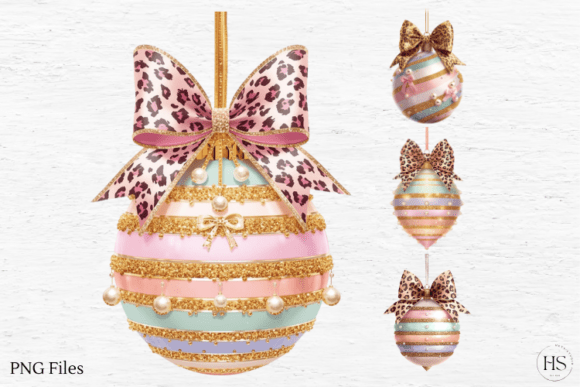
The Leopard Christmas Ball, Leopard Coquette is not your average holiday motif. It brings a bold, exotic flair to traditional Christmas imagery by combining the classic red-and-green palette with the striking pattern of a leopard. The design feels festive without being cheesy, making it ideal for modern crafters looking to elevate their seasonal offerings. Its layout is balanced, with a central ball surrounded by subtle decorative elements that give it depth without overwhelming the space.
What stands out most is the level of detail. The leopard spots are crisp, and the overall composition has a hand-drawn charm that makes it feel like a curated piece of art rather than just another embroidery file. This kind of visual personality can be a real asset when trying to stand out in competitive markets like Etsy or local craft fairs.
Real-World Application: What Works Well
I’ve used this design on several mock projects, including a custom sweatshirt embroidery and a tote bag design, and here's how it performed:
- Custom Apparel: On a medium-weight cotton sweatshirt, the design stitched cleanly and retained its shape well. The contrast of the thread colors against the fabric really made the leopard spots pop.
- Baby Items: For a holiday-themed onesie, the design looked charming but needed careful placement to avoid covering too much of the garment. The softness of the stitch work complemented the baby apparel vibe.
- Holiday Gifts: When applied to a felt pillow cover, the satiny finish gave it a luxurious look. Customers loved the idea of a unique, personalized gift with a twist on traditional decor.
- Commercial Use: In a small shop setting, I tested it on aprons and tea towels. The fill stitch areas were dense enough to prevent distortion after multiple washes, which is essential for items used daily.
This design adds a touch of wild elegance to any project. Whether you're creating a boutique item or preparing a batch of holiday embroidery for resale, it can serve as a standout feature that draws attention and conveys quality.
Where to Use with Caution
While the Leopard Christmas Ball, Leopard Coquette is visually appealing, there are some practical considerations to keep in mind before using it in production:
- Small Hoop Sizes: The design includes intricate details around the ball. If you're working within tight hoop size constraints, some of these elements might get lost or appear cluttered.
- Textured Fabrics: On flannel or canvas, the texture can affect the clarity of the running stitch outlines. Smooth cotton or quilting cotton tends to render the design more sharply.
- Stretchy or Thin Fabrics: Stretchy materials may distort the shape slightly during stitching. Thin fabrics could risk the backside showing through unless you add a backing or stabilize carefully.
- Dark Fabric Backgrounds: While the design uses contrasting thread colors, applying it to dark fabric requires testing to ensure visibility. A black background might mute the vibrant red and green accents.
- Curved Surfaces (e.g., Caps): The circular nature of the ball works well on curved surfaces, but if the rest of the design extends beyond the hoop area onto a cap brim, the edges may not lay flat.
These limitations don’t mean the design isn’t valuable—they simply require thoughtful planning to maximize its impact. As a professional, I always recommend doing a test run on scrap fabric before committing to a full batch of products.
Impact on Product Value and Branding
One of the key strengths of the Leopard Christmas Ball, Leopard Coquette is its ability to enhance product value. It doesn’t just look good; it tells a story. That story becomes part of your brand identity, especially if you’re positioning yourself as a seller of unique, artisanal craft business goods. The design’s blend of holiday cheer and animal-inspired motifs gives it broad appeal, from fashion-forward customers to parents seeking creative nursery decor.
From a customer perspective, this design communicates professionalism and attention to detail. It’s not generic, which helps with brand consistency and recognition. When displayed in printable mockups or digital previews, it looks polished and ready to sell, which increases buyer engagement and trust in your handmade products.
Stitch Clarity and Presentation
In terms of stitch density, the design handles medium coverage well, but dense fill areas may need additional stabilizer to prevent puckering. I noticed that the satin-stitched elements hold up beautifully on smooth surfaces, giving the finished product a refined edge. However, if you're aiming for a more casual look, such as on a kitchen towel, you might want to adjust the stitch types for better durability and a less formal appearance.
For embroidered patch applications, the design translates nicely, especially when using a white or cream-colored background fabric. The layered effect of the ball and its surrounding elements creates dimensionality that patches often lack. Just make sure the hoop size allows for all the components to be included without cropping important details.
Designer Notes for Practical Use
Before integrating the Leopard Christmas Ball, Leopard Coquette into your workflow, consider the following best practices:
- Test on scrap fabric to evaluate how it stitches across different textures and thicknesses.
- Review the thread color contrast and see if it complements your fabric choices. Sometimes swapping out a couple of colors can make a big difference in visual appeal.
- Inspect the stitch density in key areas, particularly around the ball itself. Too loose, and the design may look incomplete; too tight, and it risks damaging delicate fabrics.
- Confirm the recommended hoop size for your specific machine. If no recommendation is provided, err on the side of caution and choose a larger hoop to preserve detail.
- Use a proper stabilizer—especially for commercial runs or products that will be washed frequently. This ensures long-term durability and keeps the design looking fresh.
- Check whether the design works in black and white for non-color-specific design assets or for customers who prefer monochrome schemes.
- Compare how it looks on light versus dark backgrounds. This helps determine if it fits your current product lineup or needs adjustments for visibility.
- If you're an Etsy seller or digital product seller, ensure the design aligns with your niche and target audience. It's a great fit for boutique-style shops or personalized holiday gifts.
- Always confirm licensing information before selling finished products or offering the design as a digital embroidery file for others to use.
Final Thoughts from the Design Bench
After several trials, I’m confident that the Leopard Christmas Ball, Leopard Coquette is a high-quality illustration-based embroidery design suitable for a wide range of projects. Its charm lies in the way it blends tradition with creativity—something every craft business owner wants in their collection. From custom apparel to small shop product branding, it offers a fresh take on holiday themes without feeling overused.
That said, it’s not a one-size-fits-all solution. You’ll want to tailor its application based on the fabric type, surface, and end-use scenario. With the right preparation and a bit of artistic judgment, though, it can become a signature element in your seasonal offerings.
Whether you're crafting for your own home or building a line for your handmade shop, the Leopard Christmas Ball, Leopard Coquette is worth considering—but as always, test it out first. Let your instincts guide you, and don’t forget to let the design speak for itself in your final embroidery project.